Attacking Tiger: A Designer's Review for Real Projects
As an embroidery designer who spends countless hours digitizing and stitching for clients, I know that the difference between a good design and a great one often lies in the details. When I stumbled upon Attacking Tiger on Creative Fabrica, my immediate reaction was to evaluate its potential for real-world commercial use. This isn't just about whether a file looks pretty on a screen; it is about how that machine embroidery design performs when stitched onto a sweatshirt, a tote bag, or a custom patch for a small business owner.
First Impressions and Visual Mood
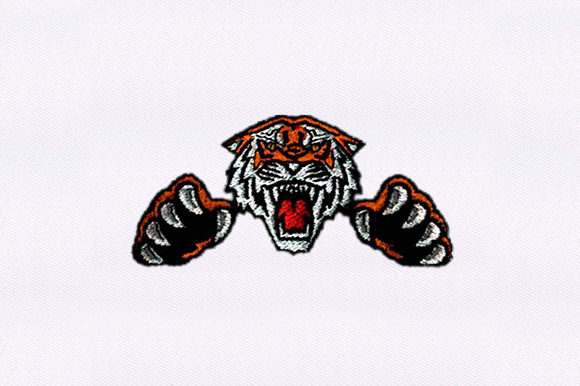
The first thing that strikes you about Attacking Tiger is its dynamic energy. Unlike static animal portraits, this design captures a moment of action, which immediately draws the eye. The visual mood is bold and fierce, making it an excellent candidate for projects that need to make a statement. In the realm of Wild Animals themed Embroidery, finding a design that balances detail with stitch efficiency can be challenging, but this piece seems to navigate that well.
The level of detail suggests a mix of techniques. You can anticipate areas of dense fill stitch to create the texture of the tiger's fur, likely contrasted with sharp satin stitch outlines to define the muscles and facial features. There may also be delicate running stitch elements used for whiskers or background accents. For a designer, this variety is crucial because it adds depth to the finished product without relying solely on thread color changes.
Evaluating Practical Application for Commercial Use
Before committing to a download, I always ask: "Where will this actually sell?" Attacking Tiger has versatile appeal. For custom apparel, imagine this roaring feline centered on the back of a denim jacket or the chest of a heavyweight hoodie. The aggressive stance works particularly well for streetwear brands or sports teams looking for a mascot-style logo.
For Etsy sellers and craft fair vendors, this design could be the star of a new collection. Consider applying it to a canvas tote bag design; the bold lines would stand out beautifully against natural cotton. It is also a strong contender for sweatshirt embroidery, where the texture of the fleece complements the rugged nature of the subject. If you are creating embroidered patch products, the defined edges of the tiger would allow for a clean merrowed edge finish, adding significant value to the item.
Beyond apparel, think about home decor. A pillow cover featuring this tiger could serve as a striking accent in a nursery or a man cave. The key here is the handmade product aesthetic; customers are willing to pay a premium for items that look professionally crafted rather than mass-produced. Using a high-quality digital embroidery file like this ensures that your brand consistency remains intact across different product lines.
Technical Considerations and Stitching Performance
While the visual appeal is high, a professional review must address the technical realities of stitching Attacking Tiger. One of the primary concerns with detailed animal designs is stitch density. If the fur texture is too dense, it can cause the fabric to pucker, especially on stretchy materials like jersey knits used for t-shirts. Before running a full production batch, it is essential to test the design on scrap fabric similar to your final material.
Hoop size is another critical factor. Depending on the specific dimensions of the file (which you must verify on the product page), you may need a larger hoop to accommodate the full span of the attacking pose. If the design is large, stitching it on a curved surface like a cap requires extra caution. The rigid structure of a cap combined with a large, dense design can lead to registration issues if not hooped correctly with the right stabilizer.
When working with dark fabrics, thread contrast becomes vital. A tiger design typically relies on oranges, blacks, and whites. On a black sweatshirt, you must ensure the lighter orange threads have enough coverage to pop against the background. Conversely, on a white apron or kitchen towel, the black outlining stitches must be crisp and free of bird-nesting. Always review the suggested thread colors in the software before loading the machine, and do not hesitate to customize the palette to match your specific brand colors.
Enhancing Product Value and Buyer Trust
In the competitive market of handmade goods, the quality of your embroidery directly influences buyer trust. A sloppy stitch job can ruin a sale, but a pristine execution of Attacking Tiger can elevate a simple item into a personalized gift that feels luxurious. The intricate details of the tiger's expression can serve as a focal point in your printable mockup images, helping potential customers visualize the quality of your work before they buy.
Using reputable design assets from platforms like Creative Fabrica allows you to focus on production quality rather than spending weeks digitizing from scratch. This efficiency means you can offer faster turnaround times for commercial embroidery orders. Furthermore, a well-executed wild animal design appeals to a broad demographic, from nature lovers to fashion-forward individuals, thereby increasing customer engagement and potential repeat business.
Essential Pre-Stitch Checklist
To ensure the best results with Attacking Tiger, follow these practical steps before starting your project:
- Verify File Details: Check the Creative Fabrica product page for available formats (PES, DST, EXP, etc.) to ensure compatibility with your specific machine.
- Confirm Licensing: Review the license terms carefully. Most designs allow for unlimited physical sales, but it is always wise to double-check restrictions on digital resale.
- Test on Scrap: Always stitch a sample on the exact fabric you intend to use to check for puckering or pull.
- Adjust Stabilizer: Use a cut-away stabilizer for stretchy fabrics like sweatshirts and a tear-away for stable woven fabrics like tote bags.
- Inspect Small Details: After stitching, closely examine the eyes and whiskers. These tiny areas often require precise tension settings to look sharp.
- Check Hoop Capacity: Ensure your machine's hoop can handle the design dimensions without needing to re-hoop mid-design, which can cause alignment errors.
In conclusion, Attacking Tiger offers a compelling option for designers looking to add a touch of wilderness to their portfolio. Its potential applications range from rugged outerwear to delicate home accents. However, like any powerful tool, its success depends on the skill of the operator. By paying attention to fabric choice, stabilizer selection, and thread contrast, you can transform this embroidery file into a standout product that resonates with customers. Whether you are decorating a single personalized gift or fulfilling a bulk order for a boutique, this design has the versatility to meet the demands of modern commercial embroidery.