Lion African Continent: A Designer's Review for Custom Gifts
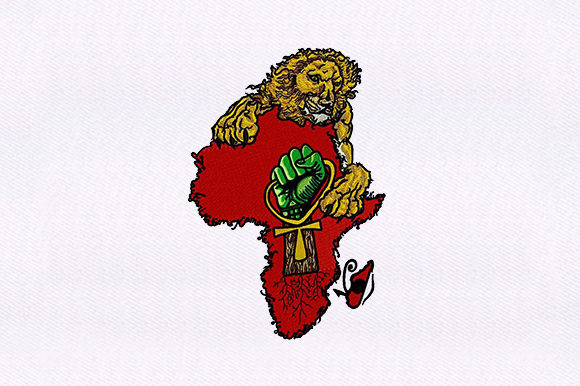
As an embroidery designer who spends countless hours testing machine embroidery design files for my own personalized gift shop, I approach every new pattern with a critical eye. When I first loaded the Lion African Continent file into my software, I was immediately struck by its bold narrative potential. This isn't just a picture of an animal; it is a statement piece that merges the majesty of the king of beasts with the geographic soul of Africa. For those of us creating handmade product lines, finding designs that carry this much emotional weight while remaining technically sound is rare.
First Impressions: Mood, Charm, and Detail
The initial visual impact of the Lion African Continent is one of strength and heritage. The design feels classic yet modern, avoiding the overly cartoonish style often found in children's wear, which makes it versatile for a wider demographic. The detail level appears high, suggesting a rich texture once stitched out. There is a certain elegance to how the lion's profile likely integrates with the continent's shape, creating a silhouette that is instantly recognizable.
For a small shop product lineup, this kind of visual storytelling is gold. It appeals to customers looking for meaningful gifts that celebrate ancestry, travel, or a love for nature. Whether you are an Etsy seller specializing in nursery decor or a crafter making custom apparel, the emotional connection this design fosters is immediate. It feels handmade and thoughtful, exactly the vibe we want to convey to our buyers.
Versatility in Real-World Applications
In my planning phase for upcoming orders, I envisioned several specific applications where Lion African Continent would shine. Here is how I see this digital embroidery file fitting into various product categories:
- Baby Embroidery: Perfect for a safari-themed nursery. Imagine this stitched onto a soft muslin blanket embroidery project or a plush pillow for a baby boy's room. It adds a touch of adventure without being overwhelming.
- Wedding Gift: For couples with a connection to Africa or a shared love of wildlife, this could be embroidered on a linen table runner or a set of cocktail napkins as a unique wedding keepsake.
- Personalized Towels: An embroidered towel for a gym bag or beach tote becomes a statement accessory when featuring such a strong graphic.
- Tote Bags and Aprons: The design's bold lines would look fantastic on canvas tote bags or heavy-duty cotton aprons, appealing to customers who want functional art.
- Pillow Covers: A decorative pillow cover featuring this motif serves as an excellent conversation starter in a living room or home office.
The versatility extends to custom embroidery services where clients request specific themes. Because the subject matter falls under Wild Animals but carries a geographic significance, it bridges the gap between nature lovers and those celebrating cultural roots.
Technical Considerations and Fabric Challenges
While the artistic merit is clear, a professional review must address the technical execution. The product description notes that this is a "detailed embroidery," which implies we need to be mindful of stitch density. High detail often means tighter stitching, which can cause puckering if not managed correctly.
Here are the specific scenarios where I would exercise caution when using Lion African Continent:
- Textured Fabric: On heavily textured materials like waffle weave or thick terry cloth, fine details might get lost. I recommend testing on a smoother fabric first to ensure the lion's features remain crisp.
- Stretchy Baby Clothes: If applying this to stretchy knits for baby embroidery, the stability of the design is crucial. Without the right support, the detailed areas could distort after washing.
- Dark Fabric: Depending on the thread colors used in the original file, contrast on dark fabrics might be an issue. You may need to edit the file to add an underlay or change specific thread shades to ensure the design pops against black or navy backgrounds.
- Curved Surfaces: Stitching on items like baseball caps or rounded pillow inserts requires careful hooping. The intricate parts of the continent shape might pucker if the fabric isn't drum-tight.
- Frequent Washing: Products like aprons and towels undergo rigorous washing. Ensure the satin stitches or fill patterns are dense enough to withstand friction but not so dense that they become brittle.
Enhancing Perceived Value and Customer Trust
From a business perspective, the choice of design directly impacts the perceived value of your finished product. The Lion African Continent design elevates a simple item into a curated piece of art. When a customer sees this level of detail, they associate it with high-quality craftsmanship. This builds trust and encourages repeat business.
For photography purposes, this design offers excellent opportunities. The contrast between the lion and the map creates natural focal points for printable mockup creation and social media posts. It tells a story before the customer even reads the description. For an Etsy seller, having a unique design like this can differentiate your listings from the sea of generic floral or monogram options currently saturating the market.
Practical Notes for the Studio
Before committing to a large batch of customer orders, I always follow a strict testing protocol. Since the provided description mentions it is a "high-quality embroidery" but lacks specific technical data, here is my checklist for anyone purchasing this file:
- Test on Scrap Fabric: Always stitch a sample on the exact material you intend to sell. What looks good on cotton might behave differently on linen or polyester blends.
- Check Thread Color Contrast: Verify that the suggested color palette works for your specific project. You may need to swap colors to match your brand or the recipient's preferences.
- Confirm Hoop Size: The description does not specify the dimensions. Check the file properties in your software to ensure it fits your available hoops, especially if you are working with smaller items like baby bibs.
- Review Stitch Density: Zoom in on the digitized view. Look for areas where stitches might be too close together, which could lead to thread breaks or bird nests.
- Use Proper Stabilizer: Given the detail, using a cut-away stabilizer is likely safer than tear-away, especially for garments that will be worn and washed frequently.
- Compare Light and Dark Mockups: Visualize the design on both white and dark backgrounds to anticipate any visibility issues.
- Verify Licensing: Most importantly, confirm the commercial licensing terms. Ensure you have the right to sell commercial embroidery products made with this embroidery file.
In conclusion, the Lion African Continent design holds immense promise for creators in the Embroidery niche. It balances artistic flair with practical application, making it a strong candidate for a wide range of personalized gifts. By paying attention to fabric choices and technical setup, you can transform this digital file into a tangible product that delights customers and strengthens your brand reputation.