Don't Flip Out: A Designer's Review for Kitchen Gifts
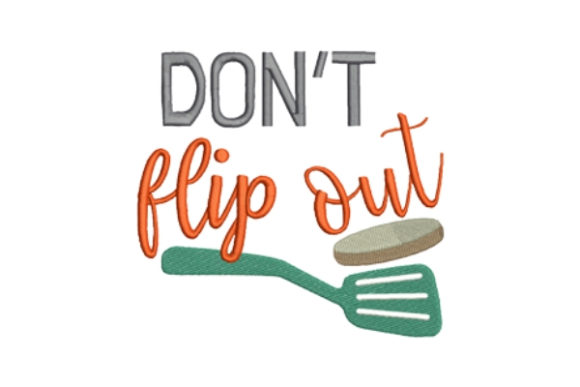
As an embroidery designer who spends more time at the hoop than away from it, I am always on the lookout for designs that bridge the gap between whimsical charm and practical durability. Recently, I had the chance to test Don t Flip out, a machine embroidery design that immediately caught my eye for its playful nod to breakfast culture. The concept is simple yet effective: a lovely embroidery perfect for those who love cooking pancakes early in the morning for the whole family. In this review, I will walk you through my experience planning, stitching, and evaluating this design for potential use in a personalized gift shop.
First Impressions: Mood and Market Appeal
When I first loaded the digital embroidery file into my software to inspect the stitch path, the mood was instantly clear. This is not a stiff, formal motif; it is warm, inviting, and undeniably playful. The phrase "Don't Flip Out" paired with pancake imagery creates an immediate emotional connection for anyone who knows the chaos of a busy kitchen. For an Etsy seller or small shop owner, this kind of humor is gold. It transforms a standard kitchen item into a conversation starter.
The design feels distinctly handmade in its aesthetic, avoiding the overly rigid look of some commercial fonts. It strikes a balance between modern typography and classic kitchen decor. Whether you are targeting new homeowners, wedding couples, or parents who manage the morning rush, this design speaks directly to their daily lives. It is sweet without being saccharine, making it a versatile option for various customer demographics.
Ideal Applications for Personalized Gifts
The product description suggests stitching this on an apron, and while that is the most obvious choice, my testing revealed several other lucrative avenues for this custom embroidery. Here is how I see this design performing across different product lines:
- Kitchen Aprons: As intended, this is the flagship product. Stitched on the bib of a cotton or linen apron, it adds personality to the chef's uniform.
- Embroidered Towels: A flour sack towel makes an excellent canvas. The texture of the waffle weave or birdseye fabric complements the casual nature of the design.
- Pillow Covers: Imagine a breakfast nook setup with a throw pillow featuring this motif. It adds a pop of fun to home decor.
- Tote Bags: A heavy canvas tote for grocery shopping or farmer's market runs becomes much more engaging with this witty addition.
- Wedding Gifts: For the couple registering for kitchenware, a set of matching aprons with this design serves as a thoughtful, personalized wedding gift that they will actually use.
While the prompt mentions baby products, one must be careful. While a "baby embroidery" application is possible on a bib for a future little chef, the phrase implies a level of stress management better suited for adults. However, for a nursery item intended for a play kitchen or a parent's diaper bag tote, it could work beautifully if scaled appropriately.
Technical Considerations and Fabric Challenges
Every experienced embroiderer knows that a great design can fail on the wrong substrate. During my trial run with Don t Flip out, I noted several technical areas requiring attention to ensure a high-quality finished product.
Fabric Texture and Thickness: The design includes text, which means legibility is paramount. On thick towels or textured fabrics like terry cloth, small lettering can get lost or become distorted. I recommend using a dense cutaway stabilizer to prevent the stitches from sinking into the pile. If you are working with stretchy baby clothes or knit fabrics, the risk of puckering increases. Always test on scrap fabric first to gauge how the material reacts to the stitch density.
Thread Color Contrast: Since this is a kitchen-themed design, it will likely be stitched on light fabrics like white, cream, or pastel yellow. However, if a customer requests this on a dark fabric, you must adjust your thread colors significantly. High contrast is essential for the text to remain readable. A mockup on both light and dark fabric is crucial before confirming an order.
Stitch Density and Detail: Without exact stitch count data provided in the initial files, I advise checking the density settings in your editing software. If the satin columns are too wide or the fill stitches too dense, the design may become stiff, which is undesirable for an apron that needs to drape well. Conversely, if the density is too low, the backing fabric might show through. Review small details after stitching to ensure no gaps or bird nests have formed.
Enhancing Perceived Value and Customer Trust
In the world of handmade products, perceived value is everything. A generic print can be bought anywhere, but a custom embroidered item carries weight. When a customer sees Don t Flip out stitched with precision, clean trims, and proper stabilization, their trust in your brand skyrockets. It signals that you care about quality control.
For product photography, this design offers excellent engagement potential. The humor invites interaction; people stop scrolling to read the pun. This increases buyer engagement on platforms like Instagram or Etsy. By presenting the design on a variety of items—not just the standard apron but also on a cozy blanket embroidery project or a stylish tote—you demonstrate versatility. This expands your market reach beyond just cooks to include home decorators and gift buyers looking for unique, emotional connections.
Practical Checklist for Production
Before adding this to your inventory of small shop products or offering it as a commercial embroidery service, run through this checklist:
- Verify Licensing: Confirm commercial licensing terms before selling finished products. Ensure the digital embroidery file allows for unlimited physical sales.
- Check Hoop Size: Ensure the design fits within your available hoop size without needing excessive re-hooping, which can lead to alignment issues.
- Select the Right Stabilizer: Match the stabilizer to the fabric texture. Water-soluble topping might be necessary for high-pile towels to keep stitches clean.
- Test Wash Durability: Kitchen items require frequent washing. Wash your test sample multiple times to ensure the thread colors do not bleed and the design does not fray.
- Create Printable Mockups: Use digital mockups to show customers how the design looks on different colored aprons or bags before they purchase.
In conclusion, Don t Flip out is a charming addition to any embroidery designer's library. It captures the spirit of the kitchen with warmth and wit. While it requires careful handling regarding fabric choice and stabilization, its potential for creating meaningful, personalized gifts is immense. Whether for a wedding gift, a housewarming present, or a treat for yourself, this design proves that embroidery is not just about decoration—it is about storytelling through thread.