Mini Candy Corn: A Sweet Stitch for Halloween Projects
As a designer who spends more time staring at stitch maps than most people spend looking at their phones, I approach every new machine embroidery design with a mix of excitement and skepticism. We've all been there: you buy a cute file, load it onto your machine, and halfway through the run, you realize the density is too high for that fluffy towel or the details are going to vanish on a textured cap. That's why when I pulled up the Mini Candy Corn design for a potential holiday run, I didn't just look at the preview image. I looked at the structure, the color breaks, and the potential for real-world application.
This isn't just another seasonal graphic; it's a specific tool for your craft business. The description promises a "mini-filled" approach that fits comfortably in a 4×4 hoop, which immediately tells me this is designed for versatility rather than grand statements. In the world of Halloween embroidery, we often swing between massive spooky scenes and tiny, subtle accents. This design lands firmly in the latter category, offering a sweet, approachable vibe that works exceptionally well for boutique branding and personalized gifts.
First Impressions: Shape, Mood, and Visual Personality
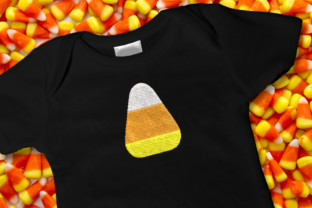
The first thing that strikes me about Mini Candy Corn is its simplicity. In an era where complex shading and thousands of stitches are common, there is something refreshing about a design that knows exactly what it is. The classic tri-color wedge shape is iconic. By keeping it "mini," the designer has created an asset that feels like a playful wink rather than a shout.
The layout suggests a clean, modern aesthetic. Because the steps are separated by color changes, you have full control over the thread selection. While traditional yellow, orange, and white are the go-to, this separation allows for creative experimentation. Imagine a monochromatic version for a sophisticated nursery or a neon twist for a streetwear hoodie. The visual personality is friendly and nostalgic, tapping into childhood memories of trick-or-treating without being overly childish. This makes it a perfect candidate for a wide demographic, from baby onesies to adult sweatshirt embroidery.
Real-World Application: Where This Design Shines
I recently had a client request a set of matching kitchen towels and aprons for a fall-themed gift set. This is exactly the kind of scenario where Mini Candy Corn earns its keep. Because it fits in a 4×4 hoop, it doesn't overwhelm the limited real estate on a towel hem or an apron pocket. When I visualized this design on a tote bag design, specifically a canvas shopper, the scale felt proportionate. It acts as a charming accent near the handle or in the corner, adding value to a basic blank without requiring a full-back print.
For Etsy sellers and small shop owners, this design is a goldmine for product variety. Since the download includes 9 formats and 3 sizes, you aren't locked into one dimension. You can use the largest size for a pillow cover center and the smallest for a baby embroidery project on a bib or hat. The ability to scale the design while maintaining integrity is crucial for maintaining brand consistency across different handmade products.
Consider the embroidered patch market. With the right stabilizer and a dense fabric like twill, this design could easily be turned into an iron-on or velcro patch. Patches are huge right now, and a simple, recognizable icon like candy corn sells itself during the autumn months. It's also excellent for custom apparel pockets. Placing a single mini candy corn on the chest pocket of a denim jacket or flannel shirt creates a subtle, trendy look that appeals to customers who want holiday spirit without wearing a costume.
Technical Considerations and Fabric Challenges
However, no review is complete without discussing the technical hurdles. While Mini Candy Corn looks great on screen, how does it behave on difficult fabrics? The "filled" nature of the design implies a satin or fill stitch construction. If you are working with stretchy fabrics like jersey knits for t-shirts, you must be vigilant about your stabilizer choice. A cut-away stabilizer is likely necessary to prevent the design from puckering or distorting over time, especially since the triangular shape has sharp points that can pull if the fabric shifts.
Textured fabrics present another challenge. If you plan to stitch this onto a waffle-weave towel or a thick fleece hoodie, the fine details of the color transitions might get lost. The stitch density needs to be sufficient to cover the texture, but not so dense that it causes the fabric to pucker. I always recommend running a test stitch-out on a scrap piece of your actual production fabric. Check the corners of the triangle; sharp points in embroidery can sometimes turn into rounded blobs if the digitizing isn't crisp or if the thread tension is off.
Dark fabrics require special attention to thread contrast. The traditional white tip of the candy corn will pop beautifully against navy or black, but ensure your underlay is robust enough to prevent the dark fabric from peeking through the lighter threads. Conversely, stitching white thread on a white garment might render the design invisible, so consider using a slightly off-white or cream thread for the top section to create definition.
Enhancing Value and Customer Trust
In the eyes of a customer, the quality of the stitch directly correlates to the value of the finished product. A clean, well-executed Mini Candy Corn signals professionalism. It shows that you care about the details, even in a small design. For commercial embroidery projects, consistency is key. If you are producing fifty tote bags for a local boutique, every single candy corn needs to look identical. The fact that this is a digital embroidery file with pre-separated color stops helps streamline this process, reducing the chance of human error during thread changes.
Furthermore, this design supports the creation of high-quality printable mockups. Before you even stitch a single thread, you can place this design on digital templates to show clients exactly what their custom order will look like. This visual confirmation builds trust and reduces the likelihood of returns or dissatisfaction. It transforms a simple idea into a tangible expectation.
Designer Notes for Best Results
To get the most out of Mini Candy Corn, treat it with the same respect you would a larger, more complex piece. Here are my practical recommendations for your next project:
- Test First: Always stitch a sample on scrap fabric that matches your final material's weight and texture.
- Check Contrast: Lay your chosen thread colors against the fabric before hooping. Ensure the transition between yellow, orange, and white is distinct.
- Review Density: If the design feels too stiff after stitching, you may need to adjust your machine tension or switch to a lighter weight thread.
- Hoop Size: Confirm that your 4×4 hoop is appropriate for the specific size variant you selected from the zip file.
- Inspect Details: Look closely at the points of the triangle post-stitch. They should be sharp, not rounded or bird-nested.
- Mockup Testing: View the design in black and white to check for tonal separation. If the colors blend into a gray mush in grayscale, they might lack contrast in person.
- Licensing: Since this is intended for potential commercial use, double-check the license terms included in the download. Ensure you are cleared to sell finished items like small shop products or digital assets derived from this file.
Ultimately, Mini Candy Corn is a versatile, reliable asset for your autumn collection. It bridges the gap between festive fun and professional polish. Whether you are decorating a tea towel, personalizing a holiday gift, or stocking your online store with seasonal goodies, this design offers the clarity and charm needed to make your products stand out. Just remember: the magic is in the execution. Take your time with the setup, respect the fabric, and let this sweet little design do the rest.