Easter Gnome: A Designer's Review for Craft Fair Success
As I prepare my booth display for the upcoming weekend craft fair, my table is covered in potential handmade products ranging from linen tote bags to textured kitchen towels. In the center of my planning board sits the Easter Gnome. This machine embroidery design promises to add a bit of joy to fabrics and clothes, but as an experienced designer, I know that promise must be backed by practical execution. Before I commit to stitching this on fifty items, I need to evaluate how this cute character performs in the real world of retail and production.
First Impressions and Market Appeal
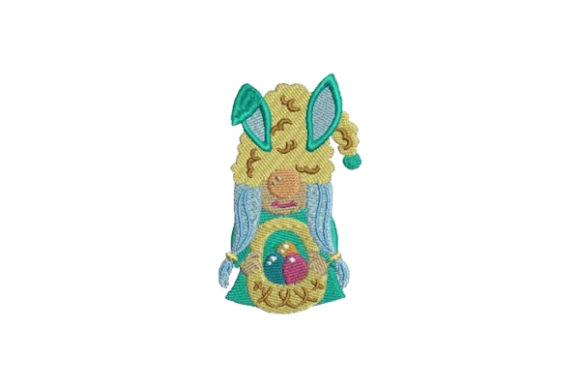
The initial vibe of the Easter Gnome is undeniably festive and soft. It leans heavily into the modern farmhouse aesthetic that has dominated the handmade market for years. Customers at craft fairs are drawn to designs that feel personal yet professional. This gnome offers a whimsical touch without being overly childish, making it versatile enough for adult home decor or children's apparel. The description suggests it gives materials a "fresh look," which is exactly what spring shoppers are seeking after a long winter. When viewed on a printable mockup, the design reads clearly, but the true test is how it translates to physical goods under the bright lights of a convention hall.
Product Versatility for the Craft Fair Booth
To maximize sales, I am evaluating where the Easter Gnome shines brightest among my inventory. Here is how I see it performing across different craft fair products:
- Tote Bags and Market Bags: This is likely the strongest contender. A large format tote bag design featuring the gnome on natural canvas creates an instant focal point. The contrast between the colorful threads and the neutral fabric makes the character pop, encouraging impulse buys.
- Aprons and Tea Towels: For the kitchen sector, apron embroidery and tea towel embroidery are perennial sellers. The gnome adds a seasonal flair to these utilitarian items. However, one must be mindful of the fabric texture; waffle weave towels can sometimes distort small details, so placement is key.
- Caps and Patches: Applying this to a curved cap surface requires careful digitizing to prevent puckering. As an embroidered patch, however, it becomes a versatile add-on item that customers can attach to jackets or backpacks later.
- Pillow Covers and Pouches: These smaller small shop products benefit from the gnome acting as a central motif. They serve as perfect low-cost entry points for customers who want a touch of Easter decor without spending too much.
Production Realities and Stitch Quality
When running a commercial embroidery operation, efficiency and consistency are paramount. The Easter Gnome appears to have a balanced composition, but I must scrutinize the stitch density. High-density areas can cause the fabric to pucker, especially on lighter materials like linen or cotton blends used for tea towels. Conversely, if the density is too low, the backing might show through, ruining the premium feel of the finished product.
I also need to consider the thread colors. Spring designs often utilize pastels, which can sometimes lack vibrancy against dark fabrics. If I plan to offer this on navy or black garments, I may need to adjust the color palette or ensure the design includes enough saturation to stand out. Furthermore, tiny details like the gnome's eyes or beard textures must be inspected closely. On a small scale, these elements can merge into a blob if the digital embroidery file isn't optimized for smaller hoop sizes.
Visual Impact and Customer Engagement
In a crowded marketplace, visual appeal drives foot traffic. The Easter Gnome has the potential to stop browsers in their tracks if displayed correctly. Placing a sample on a high-contrast background or hanging it at eye level can significantly boost buyer engagement. For the Etsy seller or online boutique owner, this design photographs well because gnomes have distinct shapes that translate clearly even in thumbnail images. Consistency in branding is crucial; using this design across a cohesive line of products reinforces brand identity and encourages multiple purchases.
Critical Considerations for Execution
Before mass production begins, there are several technical hurdles to clear to ensure the highest quality:
- Fabric Compatibility: Test the design on scrap fabric identical to your final product. Thick fabrics may require a sharper needle, while stretchy knits need robust stabilization.
- Stabilizer Selection: Choose the right stabilizer based on the material. Cut-away stabilizer is often safer for garments that will be washed frequently, while tear-away works for stable woven home decor items.
- Hoop Size Verification: Confirm the required hoop size before setting up the machine. Trying to force a large design into a small hoop can lead to skipped stitches and misalignment.
- Lighting and Photography: Ensure your booth lighting does not cast shadows on the raised stitches, which can obscure the design's charm in person and in photos.
- Licensing Checks: Always confirm commercial licensing terms before selling. Just because a file is purchased does not automatically grant the right to sell finished goods unless explicitly stated in the design assets documentation.
The Easter Gnome is more than just a cute image; it is a strategic asset for the spring season. By understanding its strengths in handmade product creation and respecting the technical limitations of embroidery machinery, designers can turn this single file into a profitable collection. Whether stitched onto a rustic burlap sack or a sleek polyester cap, this design has the versatility to meet the diverse needs of the modern craft consumer. With careful preparation and attention to detail, it is ready to bring joy to fabrics and profits to your business just in time for Easter.