Flower Tea Pot: A Craft Fair Best-Seller Review
As an experienced embroidery designer preparing for a busy weekend at the local artisan market, I am constantly evaluating which digital embroidery file will give my booth the most visual impact. Today, I am reviewing the Flower Tea Pot design to determine its viability as a top-tier craft fair product. When you are standing behind a table filled with handmade goods, you need designs that stop customers in their tracks. The Flower Tea Pot immediately strikes me as a piece that bridges the gap between rustic charm and modern elegance, making it a versatile asset for any Etsy seller or boutique maker.
First Impressions and Market Appeal
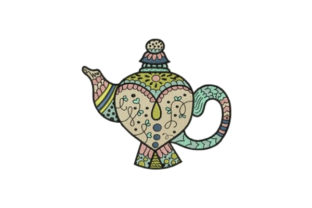
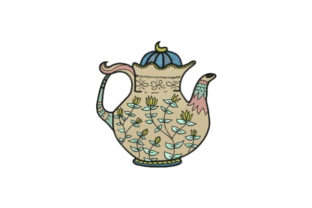
The first thing I notice about the Flower Tea Pot is its inherent warmth. In a market saturated with generic graphics, this design feels like a genuine handmade product. It carries a "farmhouse chic" aesthetic that is currently dominating home decor trends, yet it retains a softness that appeals to a broader audience. The combination of a classic tea vessel with floral elements suggests comfort, hospitality, and slow living. For a small shop product line, this emotional connection is vital. Customers do not just buy embroidery; they buy the feeling of a cozy kitchen or a thoughtful gift. This design encapsulates that mood perfectly, making it an excellent candidate for high-engagement booth displays.
Ideal Applications for Maximum Sales
To maximize the potential of the Flower Tea Pot, one must consider where it shines brightest. Based on my experience with similar motifs, here is how I would deploy this machine embroidery design across various products:
- Tote Bags: This is likely the strongest performer. A natural canvas tote with the Flower Tea Pot centered on the front creates an instant tote bag design that screams "market day." It is practical, visible from a distance, and highly giftable.
- Aprons: An apron embroidery featuring this motif transforms a utility item into a statement piece. Placing the design on the bib or the lower skirt of a linen apron adds significant perceived value.
- Kitchen Textiles: For tea towel embroidery, the design offers a lovely focal point. However, care must be taken with the fabric texture to ensure the stitches do not get lost in the weave.
- Patches and Pouches: If scaled down correctly, this works beautifully as an embroidered patch for iron-on applications or as a central motif on small fabric pouches used for organizing tea bags or crafting supplies.
- Pillow Covers: As a home decor item, a pillow cover featuring this design fits seamlessly into living rooms and sunrooms, appealing to customers looking to refresh their space.
Production Practicality and Batch Efficiency
When preparing for a craft fair, time is money. The Flower Tea Pot appears to have a balanced composition that should allow for efficient batch production. Unlike designs with excessive satin stitching that can cause puckering or long run times, floral and object-based designs often utilize a mix of fill and satin stitches that are manageable. For a commercial embroidery setup, repeatability is key. If the design holds its shape well after washing and does not require excessive trimming, it becomes a reliable staple in your inventory.
Photography is another crucial factor for the Etsy seller. The Flower Tea Pot photographs exceptionally well because it has a clear silhouette. Whether you are creating a printable mockup for your online listings or taking photos of your actual booth display, the distinct shape of the pot and the organic flow of the flowers create a strong visual hierarchy. This clarity ensures that even in thumbnail images, the design remains recognizable, driving clicks and engagement.
Critical Considerations for Execution
While the design is promising, a professional review must address potential pitfalls. To ensure the finished product meets high standards, consider the following technical aspects:
- Stitch Density: Check the stitch density carefully. If the floral areas are too dense, they may become stiff or cause the fabric to pucker, especially on lighter materials like tea towels.
- Fabric Texture: On textured fabrics like waffle-weave towels, fine details can get lost. Ensure the design elements are large enough to stand out against the fabric texture.
- Thread Colors: The success of this design relies heavily on thread colors. High contrast between the pot and the flowers is essential for visibility. Avoid using shades that blend too closely with the base fabric color.
- Curved Surfaces: If applying this to caps, remember that curved surfaces distort designs. The Flower Tea Pot might need adjustment or a specific placement strategy to look correct on a hat.
- Small Details: Inspect tiny details like leaf veins or spout outlines. If these are too small, they may break during wear or washing. Simplification might be necessary for smaller applications like patches.
Enhancing Brand Consistency and Buyer Engagement
Incorporating the Flower Tea Pot into your product line can significantly strengthen your brand identity. If your brand focuses on home, garden, or culinary themes, this design acts as a cohesive thread tying different items together. Seeing the same high-quality motif on a tote, an apron, and a pillow cover reinforces the perception of a professional, curated collection. This consistency builds trust with buyers, encouraging them to purchase multiple items.
Furthermore, the visual appeal of the Flower Tea Pot drives buyer engagement. In a crowded marketplace, customers are drawn to items that look both decorative and functional. This design suggests a story—a quiet morning with a cup of tea—which invites conversation. When a customer picks up an item featuring this design, they are already imagining it in their home. That emotional projection is the catalyst for a sale.
Final Designer Notes and Recommendations
Before committing to a full production run of Flower Tea Pot items, I strongly advise conducting thorough testing. Always stitch out the design on scrap fabric that matches your intended final material. This allows you to check registration, tension, and overall look without wasting good stock. Verify the required hoop size to ensure it fits your equipment and the dimensions of your products. Additionally, select the appropriate stabilizer; a cut-away stabilizer might be best for stretchy fabrics, while a tear-away could suffice for stable wovens.
It is also imperative to confirm the licensing terms associated with this design asset. Since the provided description mentions it is ready for sewing projects but cuts off regarding specific commercial terms, you must verify if the file includes a commercial license before selling finished goods. Never assume; always read the fine print to protect your business.
In conclusion, the Flower Tea Pot is a robust contender for any embroidery business looking to expand its craft fair product offerings. With its charming aesthetic, versatility across various mediums, and strong potential for visual storytelling, it checks all the boxes for a successful handmade item. By paying attention to technical execution and strategic placement, this design can become a cornerstone of your seasonal collection, delighting customers and boosting your sales.