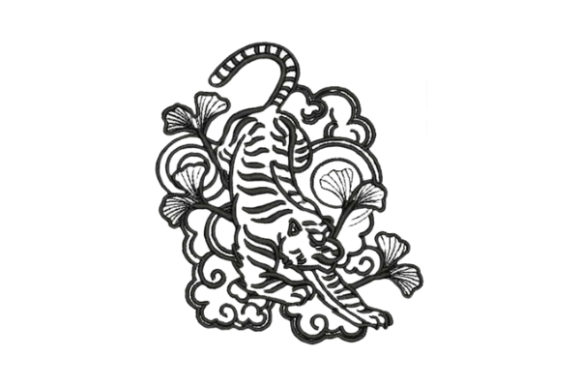
Japanese Style Tattoo: A Pro Review for Branded Merch
As an embroidery designer who has spent years digitizing and stitching for small businesses, I approach every new machine embroidery design with a critical eye. It is not just about whether a pattern looks pretty on a screen; it is about how that digital embroidery file translates into a tangible asset that builds brand identity. Today, I am reviewing the Japanese Style Tattoo design, evaluating its potential for small business merchandise, branded patches, and professional apparel.
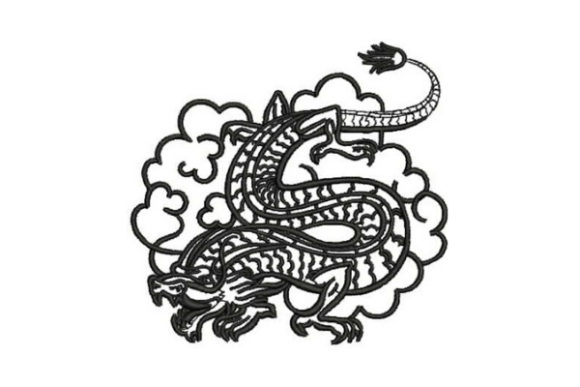
The first impression of the Japanese Style Tattoo is one of boldness and cultural depth. Drawing from the rich visual history of Asia, this design carries an aesthetic that feels both classic and modern. For a boutique, a creative studio, or a specialty café, this isn't just decoration; it is a statement. The title suggests intricate linework and strong silhouettes typical of traditional tattoo art, which often translates exceptionally well into Embroidery when the digitizing is done correctly. It feels premium, slightly edgy, yet versatile enough to elevate a handmade product without overwhelming the base material.
Real-World Business Applications
When considering where to deploy the Japanese Style Tattoo in a commercial setting, the possibilities are vast for those looking to differentiate their small business merch. Here is how this design performs across various applications:
- Embroidered Patches: This is arguably the strongest use case. A high-quality patch featuring this design can be sewn onto denim jackets, canvas bags, or hats sold as standalone products. It allows customers to add a custom touch to their own gear, increasing engagement with your brand.
- Staff Uniforms and Aprons: For a sushi bar, a trendy coffee shop, or a tattoo parlor, placing this design on an apron embroidery project or a chef's coat adds immediate professionalism. It signals attention to detail and aligns the staff's appearance with the establishment's vibe.
- Cap Embroidery: Placing a simplified version of this design on the front or side of a cap can create a striking look. However, curved surfaces require careful handling to prevent distortion, a point I will address later.
- Tote Bag Design: Canvas tote bags are staples for markets and events. The Japanese Style Tattoo serves as a perfect central motif, turning a simple bag into a piece of wearable art that promotes your shop wherever the customer goes.
- Product Packaging Accents: Small-scale versions of this design can be stitched onto fabric tags attached to packaging, adding a luxurious, handmade feel to the unboxing experience.
Impact on Brand Identity and Customer Trust
In the crowded marketplace of Etsy sellers and craft businesses, visual consistency is key to building trust. Using a distinct design like Japanese Style Tattoo helps create a recognizable visual language. When a customer sees this specific aesthetic on your website, your social media, and your finished product, it reinforces your brand's story. It suggests that you value artistry and culture, which can justify higher price points for your handmade product lines.
Furthermore, professional-grade embroidery signals quality. Unlike a printed logo that might crack or fade, a well-stitched design implies durability and care. This perception directly influences buyer engagement; customers are more likely to recommend a brand that presents itself with such polished design assets.
Critical Considerations for Production
While the artistic merit of the Japanese Style Tattoo is high, practical execution requires caution. As a designer, I always advise checking the following before committing to a large production run:
- Stitch Density and Detail: Traditional tattoo styles often feature fine lines and shading. In embroidery, extremely fine details can get lost or cause thread breaks if the stitch density is too high. Always request a sample or test stitch-out to ensure the small details hold up, especially on textured fabrics.
- Fabric Texture: This design may perform differently on smooth cotton versus rough canvas or stretchy knits. On dark uniforms, ensure the thread colors provide enough contrast. You may need an underlay stitch or a backing layer to prevent the fabric color from bleeding through lighter threads.
- Size Limitations: Do not attempt to shrink this design too small for a tiny chest logo or a narrow hat band. Intricate outlines need space to breathe. If the design becomes smaller than an inch, some details might merge, losing the definition that makes the style unique.
- Curved Surfaces: For cap embroidery, the curvature of the front panel can distort wide designs. Ensure the digitizer has accounted for push-and-pull factors, or consider placing the design on a flat patch that is then applied to the cap.
Professional Designer Notes and Best Practices
To ensure the Japanese Style Tattoo meets commercial standards, follow these practical steps during your workflow:
- Test in Black and White: Before investing in colorful threads, stitch a monochrome version. This helps you evaluate the structure and spacing of the stitches without the distraction of color matching.
- Verify Hoop Size: The product description mentions multiple files, but always confirm the specific hoop size required for the version you intend to use. Ensure your machine frame accommodates it without needing to re-hoop mid-design.
- Stabilizer Selection: Choose the right stabilizer for your fabric. Cut-away stabilizers are generally best for items that will undergo frequent washing, ensuring the design remains stable over time.
- Create a Printable Mockup: Before stitching, create a printable mockup to show clients or visualize the placement on your custom apparel. This saves time and materials if adjustments are needed.
- Check Commercial Licensing: Since this is for business use, verify the license terms included with the embroidery file. Ensure you have the rights to use the design on products you intend to sell.
The description notes that the design comes with "multiple embroidery fi," which likely refers to various file formats (like PES, DST, EXP) compatible with different machine brands. However, since exact stitch counts and specific format lists are not detailed in the provided text, it is crucial to download the preview or contact the vendor to confirm compatibility with your specific equipment before purchase.
In conclusion, the Japanese Style Tattoo offers a compelling opportunity for small business owners to enhance their product offerings. Whether used as a standout embroidered patch or a subtle accent on a uniform, its strong visual character can significantly boost brand recognition. By respecting the technical limitations of embroidery and testing thoroughly, you can transform this digital asset into a powerful tool for your business growth.