Seashells: A Pro Review for Branded Merch
As an embroidery designer who has spent years digitizing and stitching out logos for countless small businesses, I know that choosing the right machine embroidery design is about more than just aesthetics. It is a strategic business decision. When a client approaches me looking for a way to elevate their brand identity with custom apparel or accessories, I look for files that offer versatility, durability, and visual impact. Recently, I had the opportunity to review the Seashells design, a file categorized under Fish and Embroidery, and I wanted to share my professional assessment of how this specific asset performs in real-world commercial applications.
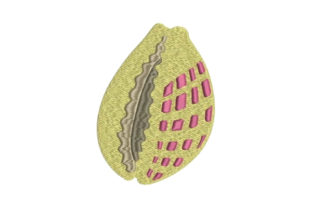
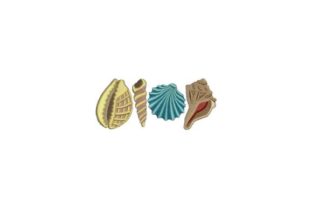
The first impression of the Seashells design is one of elegant simplicity mixed with a distinct coastal charm. Based on the product description promising "gorgeous satin stitch details," this file leans heavily into a premium, handcrafted feel rather than a bold, blocky industrial look. For small business owners running boutiques, beachside cafés, florists, or creative studios, this aesthetic is gold. It communicates a sense of relaxation and quality without screaming for attention. Unlike aggressive sports logos, Seashells feels friendly and inviting, making it an excellent candidate for customer-facing merchandise where you want to build trust and approachability.
Real-World Business Applications
In the realm of small business merch, versatility is king. I evaluated how Seashells would function across various substrates common in the industry. Here is where this design truly shines:
- Embroidered Patches: This is arguably the strongest use case. The satin stitch details mentioned in the description suggest a raised, textured look that pops beautifully on a twill patch backing. A local bakery or pet brand could use these as collectible items or loyalty rewards.
- Staff Uniforms and Aprons: For a seaside restaurant or a high-end floral shop, placing Seashells on the chest pocket of a work shirt or the corner of an apron embroidery project adds a touch of sophistication. It signals attention to detail to the customer.
- Cap Embroidery: While curved surfaces can be tricky, the organic shape of shells adapts well to the front panel of a dad hat or visor, provided the digitizing handles the curvature correctly.
- Tote Bag Design: Canvas totes are a staple for retail shops. Using Seashells as a central motif or a subtle corner accent transforms a generic bag into a branded handmade product that customers actually want to carry.
The design also works exceptionally well for event merch. If you are hosting a summer pop-up or a craft fair, having consistent design assets like this helps unify your booth's look. Whether it is stitched onto a lanyard, a keychain fob, or a limited edition shirt, the nautical theme creates an immediate emotional connection with buyers who love ocean-inspired vibes.
Critical Considerations for Production
However, no digital embroidery file is perfect for every scenario, and a professional review must address potential pitfalls. The description highlights "gorgeous satin stitch details." While beautiful, satin stitches can be demanding. Here is where you need to exercise caution:
- Stitch Density and Fabric Texture: Satin columns require smooth fabric to lie flat. If you attempt to stitch Seashells on a highly textured towel or a rough canvas without proper preparation, the threads may sink or pucker. Always test on the actual fabric texture you intend to use.
- Small Patch Sizes: If you plan to shrink this design for a tiny label or a baby onesie, the intricate satin details might merge together. Fine lines can become blobs if the resolution isn't there. I recommend requesting or checking multiple sizes before committing to a micro-application.
- Dark Uniforms: Nautical themes often rely on light blues, whites, and creams. On a navy or black uniform, you must ensure the thread colors have enough contrast. You may need to adjust the color palette in your software to ensure the shells don't disappear into the background.
- Frequent Washing: Satin stitches, while glossy, can be prone to snagging if they are too long or loose. For items like staff aprons that will be washed daily, ensure the stitch density is balanced with underlay to prevent shifting over time.
Impact on Brand Identity and Value
Why does a specific design choice matter? Because your merchandise is a silent salesman. Using a high-quality file like Seashells directly influences brand identity. When a customer receives a tote bag with crisp, well-executed shell embroidery, they perceive the brand as professional and established. It elevates the perceived value of the finished product. Conversely, a poorly chosen or low-resolution design can make a brand look amateurish.
Consistency is key. If your logo is modern and minimalist, Seashells might serve as a perfect seasonal accent without clashing. It adds a layer of storytelling to your brand—perhaps hinting at sustainability, nature, or a specific geographic location. This visual consistency builds recognition. Over time, customers will associate that specific shell motif with your shop, increasing buyer engagement and loyalty.
Professional Designer Notes and Best Practices
Before you purchase this embroidery file for commercial use, I strongly advise following these practical steps to ensure success:
- Test in Black and White: Convert the design to monochrome in your software first. This reveals the structure and spacing of the stitches without the distraction of color. If it looks good in one color, it will likely hold up well in full color.
- Verify Hoop Size: The product description does not specify exact dimensions. You must confirm the hoop size requirements to ensure it fits your machine and your intended application area, especially for caps or small pockets.
- Stabilizer Selection: Given the satin stitch focus, using the correct stabilizer is non-negotiable. Cut-away stabilizer is often best for garments that will be washed frequently to prevent distortion.
- Create a Printable Mockup: Before stitching a single thread, create a printable mockup to show your client or visualize it on your product line. This saves money on wasted materials.
- Check Licensing: Most importantly, confirm the commercial licensing terms. Ensure that the file allows for unlimited production runs if you plan to use it for mass commercial embroidery projects.
In conclusion, the Seashells embroidery design offers a compelling option for businesses looking to inject a bit of coastal elegance into their merchandise. Its strength lies in its detailed satin work and versatile aesthetic, making it ideal for patches, apparel accents, and boutique goods. However, like any specialized tool, it requires knowledge of fabric behavior and machine settings to execute perfectly. By testing thoroughly and respecting the limitations of satin stitching on various textures, you can turn this digital file into a tangible asset that drives sales and strengthens your brand presence.