Tee Pee Embroidery Review: A Designer's Take on Real-World Use
As a designer who spends more time staring at stitch maps than most people spend watching television, I approach every new machine embroidery design with a mix of excitement and skepticism. We've all been there: you download a file that looks adorable on the screen, only to find it turns into a puckered mess once the needle hits the fabric. That is why I took a close look at the Tee Pee design before committing it to any client work or personal projects. This isn't just about whether it looks cute; it is about whether it holds up under the pressure of real-life application in a craft business or handmade shop.
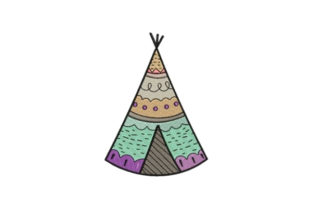
The first impression of the Tee Tee design is undeniably charming. It captures that whimsical, outdoor spirit associated with Camping without feeling overly rustic or dated. The shape is clean, and the layout suggests a thoughtful balance between open space and detailed stitching. For those of us creating handmade products, visual personality is everything. This design feels like it belongs on a nursery wall, a weekend getaway bag, or a cozy family sweatshirt. It evokes a sense of adventure and comfort, which is a powerful combination for selling personalized gifts or boutique items.
Putting the Design to the Test: Real Scenarios
To truly evaluate an embroidery project, you have to imagine it in the wild. I visualized this design stitched onto a canvas tote bag design for a local market stall. The geometric nature of the teepee structure translates well to the heavier texture of canvas, provided the stitch density is managed correctly. If the fill areas are too dense, the bag could warp; if they are too light, the backing might show through. Based on the preview, this design seems to strike a happy medium, making it a strong candidate for small shop product lines.
I also considered its application on custom apparel. Imagine a matching set of family sweatshirt embroidery for a camping trip. The Tee Pee motif works beautifully here because it is recognizable even at moderate sizes. For baby embroidery, such as a onesie or a burp cloth, the softness of the theme is perfect. However, when working with stretchy knits or thin fabrics typical of baby clothes, the choice of stabilizer becomes critical. A cut-away stabilizer would likely be necessary to prevent the design from distorting after multiple washes, ensuring the finished product remains professional.
Another viable avenue is the embroidered patch. With the rising popularity of iron-on and sew-on patches for jackets and hats, this design has the potential to be a bestseller for an Etsy seller. The distinct outline of the teepee allows it to stand out even when scaled down, which is essential for patch work where detail can easily get lost.
Technical Considerations and Fabric Challenges
While the aesthetic appeal is high, a responsible designer must address the technical hurdles. Where should you use caution? First, consider hoop size. If you are working with a small hoop, you may need to verify that the design fits without requiring a re-hoop, which can lead to alignment issues. Always check the specific dimensions of the digital embroidery file before starting.
Texture is another factor. On highly textured fabrics like terry cloth towels or thick wool blankets, fine details in the running stitch or delicate corners might get swallowed by the fabric pile. In these cases, increasing the stitch count slightly or choosing a fabric with a tighter weave might be necessary. Similarly, on dark fabrics, you must ensure the thread colors provide enough contrast. A light-colored teepee on a navy background will pop, but if the design relies on subtle shading, it might disappear into the dark material.
Curved surfaces, such as caps, present their own challenges. The structural integrity of the teepee shape needs to remain intact despite the curve of the hat brim. This often requires careful hooping techniques and possibly a foam topping to keep the stitches raised and crisp. If the design includes any tiny lettering or intricate applique design elements, these areas need extra attention during the trimming and finishing stages to avoid fraying.
Impact on Brand and Customer Perception
Why does any of this matter? Because the quality of your design assets directly influences customer trust. When a buyer sees a holiday embroidery gift or a wedding present with clean, clear stitching, they associate that quality with your brand. Sloppy edges or poor density choices can undermine the perceived value of even the most creative idea. The Tee Pee design, when executed correctly, enhances brand consistency for shops focusing on outdoor, nature, or family-themed goods.
For those creating printable mockup files or digital previews for their online stores, this design offers strong visual appeal. Its recognizable silhouette makes it instantly understandable in thumbnail images, which can drive higher engagement and click-through rates for commercial embroidery listings. It tells a story of fun and exploration, which is a compelling narrative for marketing.
Final Verdict and Designer Notes
Before you run this design on your final inventory, here are some practical steps to take. First, always test the design on scrap fabric that matches your final material. This simple step saves money and reputation. Check the thread color contrast on both light and dark backgrounds to ensure visibility. Review the stitch density settings in your software; sometimes, tweaking the pull compensation can make a huge difference in how flat the design lays.
Confirm the required hoop size against your machine's capabilities. Inspect small details closely, especially if you plan to scale the design down for smaller items like pockets or cuffs. It is also wise to test the design in a black-and-white mockup to see how the shapes hold up without the distraction of color. Finally, and perhaps most importantly, confirm the licensing terms. Ensure that the Tee Pee file allows for both personal and commercial use if you intend to sell finished items or include it in a bundle of design assets.
In conclusion, the Tee Pee embroidery design is a versatile and spirited addition to any library. Whether you are decorating a kitchen towel, creating a line of boutique branding merchandise, or making a special gift, this design has the potential to shine. It bridges the gap between playful aesthetics and practical application, making it a solid choice for designers who value both style and substance in their Embroidery work. Just remember: the secret to a great product lies not just in the file you buy, but in the care you take when bringing it to life.