Vintage Tea Pot Embroidery Design Review for Craft Fairs
As an embroidery designer preparing for a busy weekend at the local handmade market, my eyes are always scanning for designs that stop traffic. When I pulled up the Vintage Tea Pot file on my screen this morning, I knew immediately it had potential. In the world of commercial embroidery, not every cute image translates into a best-selling craft fair product. Some look great on a monitor but lose their charm when stitched out on textured fabric. However, after reviewing the details of this machine embroidery design, I can see exactly where it fits in my booth display and how it can drive sales for fellow Etsy sellers and boutique makers.
First Impressions: Charm and Character
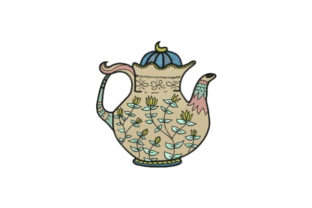
The first thing that strikes me about the Vintage Tea Pot is its inherent sense of nostalgia. The description promises "charm and character," and visually, the design delivers a soft, farmhouse aesthetic that is currently dominating the home decor and gift markets. It feels elegant yet approachable, avoiding the overly complex details that often cause stitching issues while maintaining enough visual interest to catch a customer's eye from three feet away. For a small shop product, this balance is critical. It isn't so minimal that it looks unfinished, nor is it so dense that it becomes a stiff puckered mess on lightweight fabrics. This design screams "handmade quality," which is exactly what buyers are looking for when they walk into a vendor booth.
Strategic Product Placement for Maximum Sales
When setting up my table, placement is everything. I am envisioning the Vintage Tea Pot stitched onto a variety of items to show versatility. Here is how I believe this embroidery file performs across different mediums:
- Tote Bags and Market Bags: This is likely the strongest contender. A large hoop placement on a natural canvas tote allows the design to breathe. The tote bag design potential here is huge because tea lovers often carry books or groceries, and the vintage motif appeals to a broad demographic.
- Aprons and Kitchen Towels: For the culinary crowd, apron embroidery featuring a teapot is a classic seller. On linen or cotton blend towels, the tea towel embroidery application works well, provided the fabric texture isn't too loose. It adds a touch of whimsy to a functional item.
- Patches and Pouches: If the file allows for scaling without losing clarity, creating an embroided patch is a brilliant low-cost add-on sale. Customers love iron-on patches for jackets or denim bags. Similarly, small fabric pouches for tea storage make perfect giftable handmade items.
- Pillow Covers: Home decor shoppers love thematic accents. A Vintage Tea Pot centered on a neutral pillow cover creates an instant focal point for a kitchen nook or reading chair.
Production Practicality and Batch Efficiency
From a production standpoint, time is money. When evaluating a digital embroidery file for a craft fair run, I need to know if I can batch produce efficiently. The Vintage Tea Pot appears to have clean lines and distinct color blocks, which suggests manageable thread changes. However, before committing to a full run, I would advise checking the stitch density. If the design is too dense, it may cause puckering on thinner fabrics like tea towels or apparel. Conversely, if it is too open, it might look sparse on thick materials like tote bags.
Photography is another crucial factor for Etsy sellers who also sell online. This design photographs beautifully because the subject matter is universally recognizable. Whether you are creating a printable mockup for your listing or taking photos of the finished product in natural light, the silhouette of a teapot is strong and reads clearly even in thumbnail images. This visual clarity helps with buyer engagement and click-through rates.
Critical Considerations for Execution
While the design is promising, there are technical hurdles every embroiderer must navigate to ensure a premium result. Here are my careful-use notes based on years of trial and error:
- Fabric Texture Matters: Be cautious when stitching on waffle-weave towels or highly textured linens. The fabric texture can obscure fine details in the spout or handle of the teapot.
- Curved Surfaces: If you plan to put this on caps, remember that the curved surface distorts the image. Ensure the hoop size you select accommodates the curvature without compressing the design.
- Thread Contrast: To make the Vintage Tea Pot pop, choose thread colors that contrast sharply with your base fabric. A dark teal pot on a cream apron works better than a light grey pot on a white towel.
- Stabilizer Selection: Never skip the stabilizer. For stretchy fabrics or heavy tote bags, using the wrong stabilizer can lead to registration errors where the satin stitches do not align perfectly.
- Scaling Limits: Do not shrink this design too small. Tiny details like the lid knob or steam swirls may lose clarity if reduced below a certain inch threshold.
Enhancing Brand Consistency and Value
Incorporating the Vintage Tea Pot into your lineup does more than just add a new item; it strengthens your brand identity. If your shop focuses on cozy, rustic, or cottage-core aesthetics, this design acts as a cohesive element across your design assets. It tells a story of slow living and appreciation for tradition. When customers see a consistent theme in your booth—from the patches to the pillows—they perceive higher value and are more likely to trust your handmade product quality.
Furthermore, this design encourages upselling. A customer buying a tea towel might be tempted to grab a matching pouch or patch if the design language is consistent. It creates a "collection" feel rather than a random assortment of goods.
Final Designer Notes Before You Stitch
Before you load this file into your machine for a production run, treat yourself to a test stitch. Use scrap fabric that mimics your final product material. Check the spacing between elements and inspect the back of the hoop for excessive thread buildup. Most importantly, confirm the commercial licensing terms included with your purchase. The description states it is ready for your next sewing project, but always verify if there are restrictions on the number of physical items you can sell if you are operating as a high-volume commercial embroidery business.
The Vintage Tea Pot is more than just an image; it is a versatile tool for the creative entrepreneur. With the right fabric choices, proper stabilization, and strategic marketing, this design has the power to become a staple in your inventory, drawing in customers who appreciate the timeless appeal of tea and the artistry of embroidery.