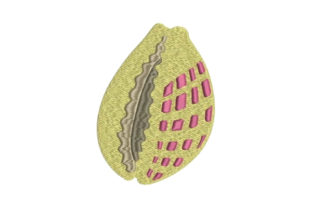
Seashell Embroidery Design Review for Small Business Merch
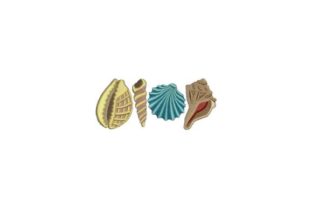
As an embroidery designer who has spent years digitizing and reviewing files for commercial use, I approach every new machine embroidery design with a critical eye. It is not just about whether a file looks pretty on a screen; it is about how that digital embroidery file translates to physical reality on a client's product. Today, I am reviewing the Seashell design, a file categorized under Fish and Embroidery, specifically evaluating its potential for small business merchandise, branded patches, and professional apparel.
The first impression of Seashell is one of approachable elegance. Based on the description promising "gorgeous satin stitch details" and a "perfect nautical touch," this design leans heavily into a classic, slightly playful aesthetic. It feels handmade yet polished, which is a difficult balance to strike. For boutique owners, bakeries, or coastal cafes, this visual personality is gold. It avoids the sterile look of corporate logos while maintaining enough structure to serve as a legitimate brand mark. The reliance on satin stitching suggests a smooth, shiny finish that catches the light, adding a premium feel to the finished product.
Real-World Application for Brand Identity
When considering where to deploy Seashell, the versatility is immediately apparent. For a local seafood market or a beachside gift shop, this design acts as more than just decoration; it becomes a core component of brand identity. Imagine this stitched onto the chest pocket of staff uniforms. The nautical theme instantly communicates the business's vibe without needing words. Because the design relies on shape and texture rather than intricate tiny lettering, it scales surprisingly well for various applications.
One of the strongest use cases I see for Seashell is in the creation of an embroidered patch. Patches are currently dominating the small business merch landscape because they allow brands to add value to plain goods. A Seashell patch could be sewn onto canvas tote bags, denim jackets, or even used as a hang-tag alternative on packaging. For Etsy sellers and crafters, offering a "limited edition" run of products featuring this specific shell motif can drive buyer engagement. The design's friendly curves make it perfect for custom apparel aimed at families or tourism markets.
Beyond clothing, consider the utility of this design for apron embroidery in a bakery or florist shop. An apron featuring a high-quality shell motif elevates the perceived value of the service provided. It tells the customer that the business cares about details. Similarly, for cap embroidery, the compact nature of a shell makes it an ideal candidate for the front panel or the side of a trucker hat. However, the curvature of a cap requires careful attention during the hooping process to ensure the satin stitches do not pucker.
Technical Considerations for Commercial Production
While the aesthetic appeal of Seashell is strong, a professional review must address the technical realities of production. The description highlights "satin stitch details." Satin stitches are beautiful but can be tricky depending on the width of the columns and the stitch density. If the density is too high, the design may become stiff or cause the fabric to pucker, especially on lighter materials like poly-cotton blends often used for uniforms.
Before running a full production batch, I strongly advise testing the embroidery file on the actual fabric you intend to use. Fabric texture plays a massive role in how satin stitches lay down. On a rough canvas tote, the smooth shells will pop beautifully. On a textured fleece, you might lose some of the definition. Furthermore, if you are planning to use this on dark uniforms, you must review the thread colors carefully. Ensure there is sufficient contrast between the shell and the background fabric so the "nautical touch" doesn't get lost in the shadows.
Sizing is another critical factor. While Seashell is cute, shrinking it down for a tiny sleeve detail or a small label requires caution. Satin stitches have a minimum width limit; if the design is scaled down too far, the threads may bridge gaps or break. Always check the recommended hoop size provided with the file and ensure your machine can accommodate the area needed for the largest version of the design you plan to stitch. If the file documentation does not specify exact stitch counts or density settings, request this information from the vendor before committing to a large order.
Enhancing Perceived Value and Professionalism
In the world of handmade products and boutique retail, perception is everything. Using a well-executed design like Seashell signals professionalism. Customers subconsciously associate high-quality embroidery with high-quality goods. When a customer receives a tote bag with a crisp, dense shell emblem, they perceive the item as durable and valuable. This directly impacts customer trust and recognition. Consistency is key here; using Seashell across all your design assets—from employee shirts to customer gifts—creates a cohesive visual language that makes your brand memorable.
For those creating printable mockups to sell designs online or pitch to clients, this file offers excellent visual potential. The satin sheen renders well in digital previews, helping to sell the idea of the physical product before a single thread is stitched. However, always be transparent with clients about the final look. A mockup can sometimes look smoother than the reality of thread on fabric.
Final Designer Notes and Best Practices
To ensure the best results with Seashell, follow these practical steps before full-scale production:
- Test in Black and White: Stitch a sample using only black or white thread first. This removes the distraction of color and lets you inspect the spacing and structural integrity of the satin columns.
- Check Small Scale Viability: Verify if the design holds up when resized for a small patch or pocket logo. If details blur, you may need a simplified version for smaller applications.
- Stabilizer Selection: Given the satin stitch focus, using the correct stabilizer is non-negotiable. Cut-away stabilizer is often safer for items that will undergo frequent washing, ensuring the design does not distort over time.
- Create Client Mockups: Before stitching on expensive inventory, create a digital or physical mockup for client approval to confirm placement and size expectations.
- Verify Licensing: Crucially, confirm the commercial licensing terms. Ensure the purchase of this digital embroidery file grants you the right to use it for commercial embroidery projects and resale on finished goods.
In conclusion, Seashell is a robust contender for businesses looking to inject a bit of coastal charm into their branding. Its strength lies in its versatile application across patches, apparel, and accessories. By respecting the technical limitations of satin stitching and conducting thorough testing on your specific materials, you can leverage this design to create high-value merchandise that resonates with customers and strengthens your brand's market presence.