Whale Applique: A Seller's Review for Craft Fairs
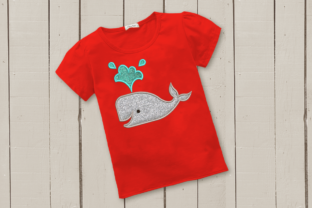
As an experienced embroidery designer preparing for a busy weekend at the local artisan market, I spend a lot of time scrutinizing my digital library. The goal is simple: which designs will stop a scrolling customer in their tracks and convince them to pull out their wallet? Today, I am evaluating the Whale Applique design to see if it earns a spot on my display table. This adorable whale is no fish tale; it includes a sweet little whale with a spout of water, and that specific detail might be the key to its success in a sea of generic nautical themes.
First Impressions and Market Appeal
When I first loaded the digital embroidery file onto my screen, the immediate vibe was undeniably cute and approachable. In the world of Marine Mammals, designs often lean toward realistic or overly complex ocean scenes. However, this Whale Applique strikes a balance between whimsical and clean. It feels modern yet timeless, fitting perfectly into the current trend of soft, minimalist nursery decor as well as playful adult accessories. For a craft fair product, visibility is everything. The silhouette of the whale combined with the distinct water spout creates a recognizable shape that reads well from a distance, even on a crowded booth table.
The description notes that steps are separated by color changes, which is a crucial detail for production efficiency. As a small shop product creator, I need designs that allow me to batch produce without constant thread trimming or manual intervention. The instruction "Please do not color sort" suggests the file is optimized for a specific sequence, likely to ensure the applique fabric is tacked down correctly before the final satin or running stitches. This level of technical consideration tells me the designer understands the workflow of a professional Etsy seller or boutique maker.
Versatility Across Product Lines
The true test of any machine embroidery design is its adaptability. Can it survive on a rough canvas tote as well as a delicate linen napkin? The inclusion of 9 formats and 4 hoop sizes in the zip file is a massive advantage. Here is how I envision deploying the Whale Applique across my inventory:
- Tote Bags and Market Bags: This is likely the strongest contender. A medium-sized whale placed centrally on a natural canvas tote creates an instant tote bag design that appeals to eco-conscious shoppers. The applique technique adds texture and durability, making it feel like a premium handmade product rather than a mass-produced item.
- Kitchen Linens: For tea towel embroidery, the smaller hoop sizes are essential. A small whale in the corner of a flour sack towel makes for an excellent impulse buy. The water spout adds a touch of humor that works well in a kitchen setting.
- Aprons and Caps: Apron embroidery requires a design that isn't too dense, or it will stiffen the fabric uncomfortably. Since this is an applique, the stitch count is generally lower than a full fill, making it ideal for wearable items. On caps, the curved surface can be tricky, but the bold shapes of the whale should hold up well if positioned correctly on the front panel.
- Patches and Pouches: Creating an embroidered patch allows for maximum flexibility. I can stitch these out on twill, cut them out, and sell them as iron-on additions or sew them onto small fabric pouches. This expands the product line without needing new inventory.
- Home Decor: Pillow covers are a staple at craft fairs. The whale motif fits beautifully into coastal or nursery themes. Using a contrasting fabric for the applique body against a neutral pillow cover can make the design pop.
Production Realities and Technical Considerations
While the aesthetic is charming, a professional review must address the practicalities of stitching. Applique designs rely heavily on the interaction between the base fabric, the applique fabric, and the stabilizer. Because the steps are separated by color changes, the machine will pause for fabric placement. This is excellent for accuracy but requires attention during long production runs.
One must be mindful of stitch density in the finishing borders. If the satin stitch around the whale is too wide or dense, it could cause puckering on lightweight fabrics like rayon or thin cotton. Conversely, on thick fabrics like denim or terrycloth towels, the needle might struggle to penetrate multiple layers of fabric plus the applique piece. I always recommend testing the design on scrap fabric that matches your intended finished product before committing to a full batch.
Another critical factor is thread colors. The description mentions a spout of water, which implies at least two or three thread colors plus the fabric color. When choosing threads, high contrast is key for visibility in a booth setting. A dark blue whale on a light blue towel might look elegant in person but will disappear in photos. For printable mockup creation and online listings, ensuring the thread contrasts sharply with both the applique fabric and the base garment is vital for click-through rates.
Visual Impact and Customer Engagement
In a physical booth, texture sells. Flat embroidery can sometimes look like a print from afar, but applique offers tangible depth. The raised fabric of the Whale Applique invites customers to touch the item, creating an immediate sensory connection. This tactile experience often increases the perceived value of the item, allowing for a higher price point compared to standard flat stitching.
Furthermore, the "cute" factor of this design targets a specific demographic: parents, grandparents, and ocean lovers. It serves as a strong design asset for building a cohesive brand identity. If I use this whale on tote bags, patches, and towels, it creates a collection rather than just random items. This consistency strengthens brand recognition and encourages customers to buy multiple matching items.
Final Verdict for the Embroidery Business Owner
The Whale Applique is a robust contender for any commercial embroidery lineup focused on lifestyle and gift markets. Its strength lies in its simplicity and the versatility offered by the multiple hoop sizes. However, success depends on execution. Before listing this as a top seller, I advise the following checklist:
- Test on Textured Fabrics: Ensure the details of the water spout do not get lost on looped towels or coarse canvas.
- Check Licensing: Confirm the commercial licensing terms included in the zip file to ensure you are cleared to sell finished goods made with this embroidery file.
- Optimize Stabilizer: Use a cut-away stabilizer for stretchy fabrics like t-shirts and a tear-away for stable wovens like aprons to prevent distortion.
- Create Real Mockups: Do not rely solely on digital simulations. Stitch one sample on each major product type to verify how the fabric texture interacts with the applique edges.
Ultimately, this design has the potential to be a standout craft fair product. It balances the charm needed for handmade markets with the technical structure required for efficient production. With the right fabric choices and careful attention to the color change sequence, the Whale Applique can easily become a signature item in your Embroidery portfolio.